


Thinking of moving to Costa Rica but unsure what expat life really entails? This vibrant Central American paradise offers stunning landscapes and a welcoming atmosphere, yet adapting to a new culture can have its challenges. Understanding the realities of everyday life here is essential for a smooth transition and long-term happiness.
Embracing Pura Vida: The Heart of Costa Rican Culture
In the picturesque landscapes of Costa Rica, the spirit of “Pura Vida” is more than just a saying; it’s a way of life that envelops both locals and expatriates alike. This iconic phrase, which translates to “pure life,” encapsulates the country’s vibrant culture, emphasizing a philosophy of positivity, simplicity, and appreciation for the moment. For many who relocate to this Central American paradise, understanding and embracing this ethos shapes their daily experiences and interactions.
The Essence of Pura Vida
Living in Costa Rica means adopting a joyous outlook amid stunning natural beauty and a warm community. The essence of Pura Vida transcends language barriers; you’ll hear it in casual greetings and expressions of gratitude, often accompanied by warm smiles and friendly waves.
- Community Connection: Engaging with your neighbors and participating in local events fosters a sense of belonging.
- Mindfulness and Gratitude: Embracing the slower pace of life allows residents to appreciate simple pleasures like fresh food, nature walks, and shared stories.
- Environmental Respect: Many Ticos ( locals) live with eco-consciousness, reflected in sustainability practices and conservation efforts.
These aspects are often evident in the relationships expatriates build while navigating their new lives. Events like town fiestas, community clean-ups, and local farmer’s markets provide opportunities for meaningful connections that enhance one’s understanding of what it truly means to live in Costa Rica.
Challenges and Adaptations
However, adopting this lifestyle isn’t always seamless. Newcomers may face challenges as they transition from fast-paced lives in metropolitan areas to the relaxed tropical rhythms of Costa Rica. It is vital for expats to practice patience and open-mindedness.
| Challenge | Adaptation Strategy |
|---|---|
| Language Barrier | Enroll in Spanish classes and practice with locals to enhance communication skills. |
| Different Work Ethic | Learn to embrace flexibility and prioritize work-life balance. |
| Healthcare Navigation | Research local healthcare options and familiarize yourself with Costa Rica’s socialized system. |
By facing these challenges head-on and adopting the Pura Vida mindset, expats can find fulfillment and joy in their new surroundings. Those who immerse themselves in this vibrant culture soon discover that life in Costa Rica is not just about the beautiful beaches and lush jungles; it’s about the deeper connections forged through shared laughter, respect for nature, and the celebration of everyday moments. Embracing Pura Vida enriches the expat experience, turning the challenge of adaptation into an adventure filled with love and warmth.
Cost of Living Insights: What to Expect as an Expat
Living in Costa Rica can be a transformative experience, especially when considering the cost of living, which often appears more affordable than many Western countries. However, it’s important to navigate this landscape with a clear understanding of what to expect. As an expat, aligning your budget with local realities can lead to a smoother transition into the vibrant life that Costa Rica offers.
Understanding the Financial Landscape
The cost of living in Costa Rica varies significantly depending on where you choose to settle. Urban areas such as San José and Escazú can be pricier, while rural towns tend to offer a more budget-friendly lifestyle. Basic living expenses, including housing, groceries, and transportation, will take a substantial part of your budget.
Here’s a simple breakdown of some common monthly expenses for an expat living in Costa Rica:
| Expense Category | Estimated Monthly Cost (USD) |
|---|---|
| Rent (1-bedroom in city center) | $600 – $1,200 |
| Utilities (electricity, water, internet) | $100 – $200 |
| Groceries | $300 – $500 |
| Transportation (public transport) | $40 – $100 |
| Dining Out | $200 – $400 |
Practical Tips for Managing Your Budget
To maximize your experience while keeping your expenses in check, consider the following strategies:
- Shop Local: Frequent local markets for fresh produce which are often cheaper and of higher quality than supermarket offerings.
- Public Transport: Utilize the extensive public transportation system to save on travel costs, as using buses is significantly cheaper than driving.
- Adapt Lifestyle: Embrace a more relaxed lifestyle by enjoying Costa Rica’s natural beauty—many activities, such as hiking or beach outings, are low-cost or free.
- Health Insurance: Investigate both private health insurance and the CCM system to find a plan that suits your needs without breaking the bank.
In the exploration of what it’s like to live in Costa Rica, it becomes abundantly clear that understanding the cost of living is pivotal. With a little research and some practical budgeting, you can enjoy the rich culture and natural beauty of this charming country without financial stress.
Finding Community: Connecting with Other Expats and Locals
The vibrant culture and breathtaking landscapes of Costa Rica are just part of what makes this Central American jewel enticing for expatriates. However, finding a sense of belonging is crucial in transforming the experience of moving to a new country from merely living there to truly thriving. Connecting with both fellow expats and local communities can significantly enhance your journey, offering valuable support, friendships, and a deeper understanding of what it’s like to live in Costa Rica.
Embracing Expat Communities
One of the most effective ways to establish connections is by tapping into existing expat networks. You can find dedicated online forums, social media groups, and local meet-ups that cater specifically to expatriates living in Costa Rica. Consider joining platforms such as:
- Facebook groups like “Expats in Costa Rica” where you can ask questions, share experiences, and get advice.
- Meetup.com for attending various gatherings—from networking events to hobby clubs.
- International organizations that often host events, workshops, and social gatherings.
These communities not only provide practical tips and support but also a chance to form friendships that can last a lifetime. Attending social events can lead to discovering local hidden gems and traditions that might not be readily shared in guidebooks.
Building Bridges with Locals
Engaging with locals is equally rewarding and offers a unique perspective on Costa Rican culture. Here are some actionable ways to foster connections:
- Take Language Classes: Enroll in Spanish courses to improve your language skills, making it easier to converse and connect with Costa Ricans.
- Participate in Community Events: Attend festivals, fairs, or local market days, where interactions are organic and culturally enriching.
- Volunteer: Join local charities, environmental groups, or community projects that resonate with your values to meet people while giving back.
These interactions can deepen your appreciation for everyday life in Costa Rica and help break any cultural barriers.
Real-World Examples
The impactful stories of those who have successfully navigated this journey can inspire your own integration. For instance, an expat sharing their experience of connecting with a local family through a cooking class not only learned authentic recipes but also formed strong ties that led to cherished friendships and cultural exchanges.
Be proactive and reach out to others; whether through the online forums or at local gatherings, the more you put yourself out there, the richer your experience will be. Building a multicultural community around you will transform your understanding of “What Is It Like to Live in Costa Rica: Expat Life Reality” into a fulfilling adventure filled with shared stories and memories.
Navigating the Healthcare System: A Guide for Foreign Residents
In the heart of Central America, Costa Rica not only captivates adventurers with its lush landscapes and vibrant cultures but also serves as a promising home for foreign residents seeking a tranquil life. However, the reality of expat life brings with it the essential task of navigating a new healthcare system. Understanding how to access medical services, insurance options, and local practices can enhance your experience and ensure peace of mind.
Understanding the Healthcare Landscape
Costa Rica is renowned for its robust healthcare system, often ranked among the best in Latin America. Foreign residents have access to both public and private healthcare options:
- Public Healthcare: Known as the Caja Costarricense de Seguro Social (CCSS), the public system provides comprehensive healthcare services funded by contributions from workers and employers. It is generally more affordable but can have longer wait times.
- Private Healthcare: The private sector offers quicker access to specialists and more personalized care. While costs are higher, many international insurance plans are accepted, and facilities are often on par with Western standards.
Choosing the Right Insurance
When it comes to insurance, expats often find themselves faced with various options. Here are some practical steps to consider before deciding on a policy:
- Assess Your Needs: Consider your medical history, family health requirements, and the types of services you might need, such as maternity care or chronic illness management.
- Compare Providers: Research multiple insurance providers and plans. Look for coverage details, premiums, and the network of hospitals and doctors.
- Understanding Local Regulations: Familiarize yourself with Costa Rican laws regarding health insurance, as some foreigners are required to contribute to the public healthcare system under specific conditions.
Accessing Medical Services
Navigating the healthcare system in a new country may seem daunting, but understanding the process can simplify your experience. Here’s how you can effectively access medical services:
- Find a Primary Care Physician: Establishing a relationship with a local doctor will help you gain insights into the healthcare system and allow for consistent management of your health.
- Emergency Services: Familiarize yourself with the nearest hospitals or emergency clinics. Knowing how to access emergency services can be crucial in a crisis.
- Language Barrier: If you are not fluent in Spanish, look for healthcare facilities that offer bilingual staff or consider bringing an interpreter during appointments.
Table of Essential Healthcare Contacts
| Type of Service | Contact Information |
|---|---|
| Public Health Insurance (CCSS) | (506) 800-2266-4637 |
| Private Hospital (Hospital Clinica Biblica) | (506) 291-6000 |
| Emergency Medical Services (Red Cross) | (506) 2257-7777 |
| Pharmacy Assistance | (506) 2258-5045 |
By understanding the intricacies of the healthcare system in Costa Rica, foreign residents can enjoy a more seamless transition into their new lives. With the right knowledge and resources, navigating medical services becomes a manageable part of the expat reality, allowing you to focus on enjoying the natural beauty and cultural richness that Costa Rica has to offer.
Daily Life in Costa Rica: From Coffee Mornings to Beach Sunsets
Every morning in Costa Rica begins with the comforting scent of freshly brewed coffee. As one of the largest coffee producers in the world, Costa Rica boasts a rich coffee culture that envelops the daily life of its residents, both locals and expats alike. Quietly savoring a hot cup while watching the sun rise over lush hills is a ritual that many cherish. It sets the tone for a day filled with adventure, engagement, and a slower pace that emphasizes the beauty of nature.
The Morning Routine
Early risers in Costa Rica often take advantage of the serene mornings before the tropical heat sets in. A typical day might include:
- Enjoying a traditional breakfast of gallo pinto (rice and beans) paired with eggs and plantains.
- Taking a stroll through local farmers’ markets, filled with vibrant fruits and vegetables.
- Joining a yoga class or taking a leisurely walk along the beach to appreciate the stunning scenery.
This morning ritual not only enhances well-being but also nurtures a strong sense of community among expats, allowing them to engage with locals and share in the region’s rich culture.
Afternoon Adventures
As the afternoon rolls in, the activities in Costa Rica diversify. Whether you’re an adrenaline junkie or prefer leisurely pursuits, there’s always something to keep you entertained. Here are a few popular afternoon activities:
- Exploring national parks for breathtaking hiking trails and wildlife spotting, including toucans and sloths.
- Participating in surf lessons on the Pacific coast, where the waves aren’t just for show—they provide ample fun for both beginners and experts.
- Visiting local art galleries or workshops, which foster a creative community and allow for deeper cultural immersion.
Afternoons in the country are often characterized by the warm sun and a laid-back atmosphere, allowing expats to soak in the beauty of their surroundings.
Evenings and Nighttime Vibes
As the sun sets over the horizon, Costa Rica transforms into a magical place where evenings come alive. Beachfront bars and local soda (small restaurants) offer a great way to unwind and socialize. Here are ways to enjoy the enchanting Costa Rican evenings:
- Indulging in a dinner of fresh seafood, perhaps with a side of ceviche and accompanied by a local beer or a tropical cocktail.
- Joining beach bonfires where stories and laughter share the warm air.
- Listening to live music at local venues, which can range from salsa nights to acoustic folk performances.
Engaging in these evening activities not only fosters connections but also allows one to embrace the vibrant culture of the country.
In this blend of coffee mornings, adventurous afternoons, and lively evenings, daily life in Costa Rica offers a refreshing pace that enriches the experience of living in this beautiful Central American paradise. The country’s diverse activities and strong sense of community create a reality that many seek when considering what it is like to live in Costa Rica.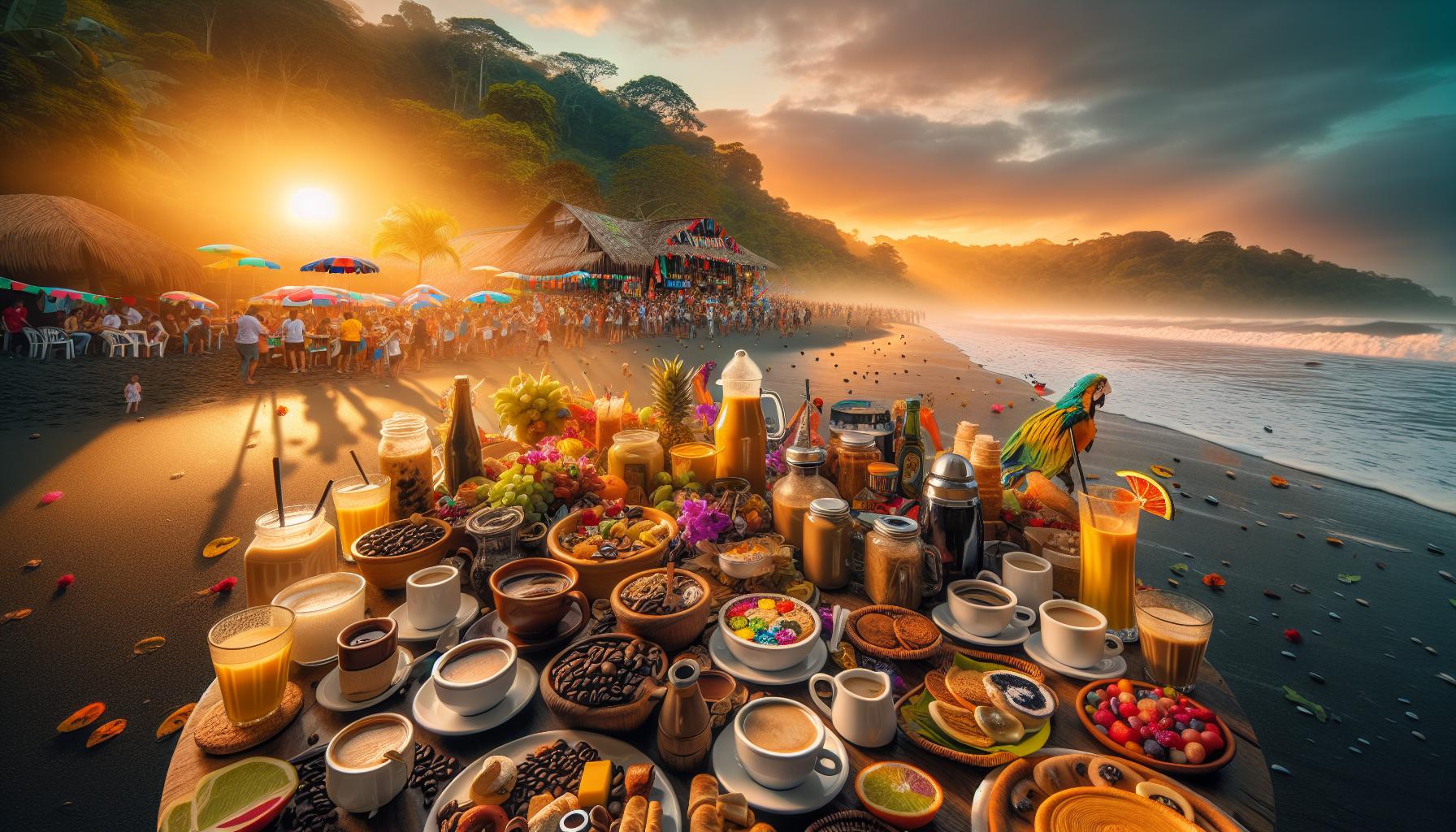
Cultural Delights: Food, Festivals, and Everyday Joys
Living in a tropical paradise like Costa Rica isn’t just about stunning beaches and lush landscapes; it’s also a colorful tapestry woven with vibrant culture and delicious cuisine. Expats often find themselves enchanted by the unique culinary traditions and lively festivals that punctuate the calendar year, offering a delightful immersion into the rich local culture. Embracing these experiences can greatly enhance your understanding of what it’s like to live in Costa Rica, allowing you to create memorable connections with both neighbors and new friends.
Culinary Adventures
Costa Rican cuisine is a fiesta of flavors that reflects the region’s agricultural bounty. Expatriates often rave about the simplicity and freshness of local dishes, which celebrate staple ingredients like rice, beans, and tropical fruits. Popular meals include:
- Gallo Pinto: A traditional breakfast staple made of rice and black beans, often served with eggs and salsa.
- Casado: A hearty dish featuring meat, rice, beans, plantains, and a fresh salad—perfect for lunch.
- Ceviche: Freshly marinated seafood, typically seasoned with lime, cilantro, and onions, offering a refreshing taste of the coast.
Beyond the everyday fare, expats have the chance to experience local sodas (small restaurants) that serve up these authentic flavors with hospitable smiles. For those eager to learn, many cooking classes are available, providing hands-on experiences that help you not only enjoy the food but also understand its cultural significance.
Festivals and Celebrations
The festive spirit in Costa Rica is contagious, with celebrations scattered throughout the year that showcase the nation’s rich heritage. Expat life reality means participating in these vibrant gatherings, where you can mingle with locals and fully embrace the cultural climate. Major celebrations include:
| Festival | Description |
|---|---|
| Día de los Muertos | A colorful celebration honoring deceased loved ones with altars, offerings, and lively festivities. |
| Feria de Zapote | A bustling fair in December featuring carnival rides, local delicacies, and traditional music. |
| Fiestas de Palmares | One of the biggest events in the country, showcasing concerts, food stalls, and traditional games. |
These events provide a gateway for expats to practice their Spanish, learn traditional dances, and savor local delicacies, fostering a sense of community and belonging. Engaging in these cultural moments not only enriches your life but also deepens your connection to the country and its people, making the expat experience truly fulfilling.
Daily Joys and Community Life
Beyond food and festivities, everyday joys in Costa Rica often come from the warmth of the community and a slower pace of life. Neighbors frequently become friends, with many expats finding themselves invited to family gatherings or local events. Embrace this culture by engaging with local markets, where you can buy fresh produce and handcrafted goods, fostering connections through both commerce and conversation.
Moreover, consider adopting some local customs, such as taking the time to enjoy a “soda” or coffee with friends, which is an integral part of daily life. Practicing mindfulness and appreciating the simple things can transform your stay and provide a deeper understanding of what it is like to live in Costa Rica.
Housing Options: Renting vs. Buying in Paradise
Living in a tropical paradise such as Costa Rica often raises the crucial question of whether to rent or buy a property. Each option has its distinct advantages depending on one’s lifestyle, financial situation, and long-term plans. For many expats, understanding the nuances of both renting and buying can significantly impact their overall experience in this vibrant country.
Renting: Flexibility and Lower Upfront Costs
Renting provides a multitude of benefits, especially for first-time expats or those unfamiliar with the local real estate landscape. It allows newcomers to explore different regions—ranging from bustling cities like San José to serene beach towns such as Tamarindo—without committing long-term. This flexibility is a significant advantage, as it enables individuals to get a feel for the area, local amenities, and community vibe before making a substantial investment.
Some points to consider when renting include:
- Short-term leases: Most rentals offer flexible terms, making it easier to adapt to personal or professional changes.
- Lower initial costs: Renting usually requires a security deposit and the first month’s rent, which is more affordable than a down payment on a home.
- Maintenance responsibility: Typically, landlords are responsible for property maintenance, reducing stress and unexpected expenses for tenants.
Buying: Investment and Long-Term Stability
On the other hand, purchasing property in Costa Rica can be a rewarding venture, particularly for those who plan to stay permanently. Owning a home offers a sense of stability and the potential for property appreciation, which can be advantageous in the long run. For many expats, buying also represents a dream of establishing roots in a community they love.
Consider the following aspects of buying a home:
- Equity growth: Homeownership can lead to building equity over time, a financial asset that renting does not provide.
- Customization: Homeowners have the freedom to customize their living space to fit their tastes and lifestyle.
- Community involvement: Buying a property can foster a deeper connection to the local community, enhancing social ties and engagement.
Ultimately, the decision between renting and buying hinges on personal circumstances, preferences, and financial situations. For expats navigating the complexities of a new life in Costa Rica, weighing the pros and cons of each housing option is vital for crafting an experience that aligns with their dreams and expectations. Whether you choose to rent temporarily or invest in your own piece of paradise, each path offers unique opportunities to immerse yourself in the rich culture and stunning landscapes of this Costa Rican haven.
Nature’s Playground: Outdoor Adventures for Every Taste
Costa Rica is often referred to as one of the most biodiverse countries in the world, making it nothing short of a playground for outdoor enthusiasts. For those contemplating what it is like to live in Costa Rica, the abundance of natural beauty offers a myriad of adventures that cater to every taste. From pristine beaches to lush rainforests, the country’s varied landscapes present opportunities for adrenaline-pumping activities or serene escapes into nature, perfect for expats looking to embrace an active lifestyle.
Thrilling Activities for Adventure Seekers
For adrenaline junkies, Costa Rica is a treasure trove of thrilling exploits. Zip-lining through the treetops of Monteverde is an unforgettable experience, allowing you to soar above the stunning canopy and catch breathtaking views. White-water rafting in the Pacuare River provides exhilarating rapids framed by lush jungles, while hiking up Arenal Volcano leads you through diverse ecosystems teeming with wildlife. Options abound for those who crave excitement:
- Surfing in iconic spots like Tamarindo and Santa Teresa attracts wave-riders from around the globe.
- Mountain biking through coffee plantations or rocky trails in La Fortuna offers both challenge and stunning scenery.
- Diving in places like Caño Island presents an underwater paradise for snorkelers and divers alike.
Serene Escapes for Nature Lovers
On the other end of the spectrum, Costa Rica also caters to those who prefer a more tranquil experience immersed in nature. The country is dotted with wildlife reserves and national parks where one can bask in the peacefulness of their surroundings. An afternoon spent in Manuel Antonio National Park can yield close encounters with monkeys and sloths, while the serene shores of the Nicoya Peninsula offer quiet spots for meditation and relaxation.
For those who wish to explore at their own pace, hiking through the countless trails found in places like Corcovado National Park rewards visitors with tropical flora and an array of bird species. Take a moment to simply sit back and enjoy the symphony of nature around you:
| Activity | Location | Highlight |
|---|---|---|
| Zip-lining | Monteverde | View exotic birds from above |
| Surfing | Tamarindo | World-class waves |
| Wildlife Watching | Manuel Antonio | See monkeys in their natural habitat |
| Hiking | Corcovado | Diverse ecosystems and wildlife |
Whether you are drawn to excitement or tranquility, understanding what it is like to live in Costa Rica emphasizes the country’s ability to fulfill every outdoor enthusiast’s dream. With its diverse offerings, expats can shape their own adventures, making every day an opportunity to connect with nature and rejuvenate the spirit.
Q&A
What is it like to live in Costa Rica: expat life reality?
Living in Costa Rica as an expat offers a mix of stunning natural beauty, friendly locals, and a laid-back lifestyle. Many expats enjoy the country’s affordable cost of living, warm climate, and vibrant culture. Activities range from surfing on beautiful beaches to hiking lush rainforests.
The expat community in Costa Rica is diverse and supportive. Many find a sense of belonging through local groups and activities. While the transition can be challenging, with adjustments to language and customs, the rewards often outweigh the difficulties. Discover more about the community life here.
How can I meet other expats in Costa Rica?
Meeting other expats in Costa Rica is accessible through social groups, online forums, and community events. Many cities have dedicated expat meet-ups or clubs that host activities, making it easy to connect and share experiences.
Joining local Facebook groups, attending language classes, or visiting expat-friendly cafes can also help you forge new friendships. Engaging in local events, such as cultural festivals or eco-activities, allows you to integrate into Costa Rican life while meeting others on a similar journey.
What are the healthcare options for expats in Costa Rica?
Healthcare for expats in Costa Rica is both accessible and high-quality, with public and private options available. Many expats choose to enroll in the public healthcare system, known as CAJA, or opt for private insurance for quicker access and shorter wait times.
The country boasts state-of-the-art medical facilities, particularly in urban areas, and many doctors are fluent in English. Cost-effective medical treatment is a significant draw for those moving from countries with higher healthcare expenses. You can learn more about your healthcare choices in our section on healthcare in Costa Rica.
Can I afford to live comfortably in Costa Rica as an expat?
Yes, many expats find that they can afford a comfortable lifestyle in Costa Rica due to its lower cost of living. Expenses such as housing, food, and transportation are generally more affordable compared to many Western countries.
By choosing to live in less touristy areas or smaller towns, expats can stretch their budget further. Dining at local places, exploring local markets, and using public transport also contribute to significant savings. Understanding the cost of living can help you budget effectively while enjoying the rich experiences Costa Rica offers.
Why does Costa Rica attract so many expats?
Costa Rica attracts expats due to its stunning landscapes, friendly population, and a high quality of life. The emphasis on peace and environmental sustainability appeals to many looking for a serene lifestyle abroad.
Additionally, the country’s political stability and welcoming atmosphere have made it a top destination for retirees and young families alike. Expats often cite the friendly locals and strong community support as major factors in their decision to move. This is reflected in the myriad of cultural experiences awaiting those who embrace Costa Rican life.
What are the challenges of living in Costa Rica as an expat?
Living in Costa Rica as an expat does come with challenges, such as language barriers and navigating cultural differences. Adapting to a slower pace of life can also be an adjustment for newcomers used to a fast-paced environment.
Many expats find it essential to learn some Spanish to connect more deeply with locals and handle everyday tasks. Moreover, understanding the nuances of local customs and traditions can enrich your experience and ease integration into the community. Preparing for these challenges can lead to a more fulfilling expat life in Costa Rica.
Can I find jobs in Costa Rica as an expat?
Yes, there are job opportunities for expats in Costa Rica, particularly in sectors like technology, tourism, and education. Many international companies and educational institutions seek English-speaking professionals.
Volunteering and internships also offer pathways to employment and networking. Some expats thrive as entrepreneurs, starting businesses that cater to both locals and tourists. Conducting research before your move can help pinpoint potential job opportunities in your field and make a smooth transition into the Costa Rican job market.
Future Outlook
As we wrap up our journey through the vibrant tapestry of expat life in Costa Rica, it’s clear that this Central American gem offers a unique blend of breathtaking landscapes, rich culture, and a warm community spirit. From sipping rich, aromatic coffee while watching the sunrise over Arenal Volcano to engaging in lively conversations with friendly locals at bustling mercados, every day opens a door to new adventures and deeper connections.
Remember the story of Maria, the local artisan, who welcomed us into her workshop? She beautifully illustrated how the Tico spirit shines through in everyday interactions, turning casual encounters into lasting friendships. It’s these personal stories that make life here so enriching. Whether you’re drawn to the thrill of surfing in Nosara or the tranquility of a sunset stroll on the beaches of Manuel Antonio, Costa Rica invites you to embrace the pura vida lifestyle—where life’s simple pleasures are celebrated.
As you ponder your next steps, consider the practicalities shared, like navigating the cost of living, embracing the health care system, and engaging with the vibrant expat community. Let the idea of relocating or visiting to explore new horizons take root in your heart. Costa Rica is not just a destination; it’s a lifestyle brimming with opportunities for growth and joy.
We invite you to dive deeper—research, connect with local expats, and perhaps even take that leap of faith to experience this slice of paradise for yourself. Your adventure awaits in Costa Rica, where every moment can turn into a cherished memory. So pack your bags, open your heart, and get ready to discover the beauty of expat life in this enchanting land. Pura vida!


