As the breathtaking landscapes of Iceland beckon adventure seekers, many wonder: is it really possible to set up camp wherever you please? Understanding the wild camping regulations is crucial for preserving the island’s natural beauty and ensuring a respectful experience. Dive into the essentials of Iceland’s camping rules to plan your ideal outdoor getaway responsibly.
Understanding Iceland’s Wild Camping Rules
Exploring Iceland’s vast landscapes offers a sense of adventure unlike any other, and for many, the allure of wild camping is an irresistible way to experience this breathtaking country. However, understanding the rules and guidelines surrounding wild camping is crucial for preserving Iceland’s natural beauty and ensuring a responsible and enjoyable experience for all adventurers. The regulations may seem strict at first glance, but they are designed to protect the environment and local communities.
Legal Framework for Wild Camping
In Iceland, the idea of simply pitching a tent wherever the mood strikes is more complicated than it might appear. While the concept of freedom to roam is cherished, this doesn’t equate to permission to camp anywhere. Under Icelandic law, wild camping is generally prohibited unless otherwise specified. This means that campgrounds and designated camping areas are the default options for most outdoor enthusiasts.
A good rule of thumb is that you’re allowed to camp in remote areas with the landowner’s permission, provided you respect the environment. Always look for signs that indicate camping prohibitions. For example, national parks and protected areas have strict camping regulations, so it’s vital to be informed before setting out.
Campsite Options and Etiquette
If you’re planning to camp in Iceland, utilizing designated campsites is highly recommended. Campsites provide essential facilities such as toilets, showers, and waste disposal. By opting for these organized areas, not only will you be following Iceland’s wild camping rules, but you’ll also enrich your experience with a sense of community among fellow travelers. Here are some tips to keep in mind:
- Book Ahead: Particularly during peak tourist seasons, many campsites fill up quickly. Reserving a spot ensures you have a place to stay.
- Practice Leave No Trace: Carry out what you carry in. Dispose of waste properly and avoid damaging vegetation.
- Be Respectful: Follow campground rules, including quiet hours and pet policies.
Consequences of Non-Compliance
Ignoring Iceland’s wild camping regulations can lead to significant fines and damage to the environment, which ultimately affects the beauty that draws so many visitors each year. For example, camping on private property without permission can result in legal repercussions, and causing harm to sensitive ecosystems can lead to long-term environmental degradation.
To illustrate the importance of compliance, local authorities have reported increased violations in popular tourist areas, leading to stricter measures and enforcement. It’s not only a question of legality but also of preserving Iceland’s stunning landscapes for future generations.
In sum, while engaging with the wild landscapes of Iceland is an exhilarating experience, understanding and adhering to the wild camping rules is necessary for legal, ethical, and environmental reasons. Taking the time to plan your camping journey will ensure a fulfilling adventure while respecting the Icelandic wilderness.
Best Locations for a Unique Wild Camping Experience
Iceland’s dramatic landscapes offer a haven for outdoor enthusiasts seeking adventure and serenity far from the bustling tourist paths. With stunning vistas ranging from towering glaciers to rugged coastlines, the Land of Fire and Ice indeed has some of the most distinctive spots for wild camping. However, to ensure a memorable experience while adhering to the wild camping rules of Iceland, it’s crucial to select the right locations. Here are some of the best sites for a unique and unforgettable wild camping experience in Iceland.
Þingvellir National Park
Nestled between the North American and Eurasian tectonic plates, Þingvellir National Park is not only a UNESCO World Heritage site but also a prime location for wild camping. Here, you can camp near stunning rift valleys and crystal-clear springs, with ample hiking trails that lead to breathtaking viewpoints. Make sure to pitch your tent in designated areas to respect the park’s rules and preserve its delicate ecosystem.
- Highlights: Silfra Fissure, Öxarárfoss waterfall, lush landscapes.
- Activities: Snorkeling, hiking, bird watching.
- Best Time to Visit: June to August for optimal weather.
Vatnajökull National Park
For those captivated by glaciers, Vatnajökull National Park provides a backdrop of stunning ice formations and majestic mountain ranges. This vast wilderness is dotted with remote camping areas where solitude reigns supreme. Take care to choose a camping spot that is away from glacier paths and riverbanks, especially during spring thaw and rainfall.
| Feature | Description |
|---|---|
| Glacier Views | Unmatched perspectives of Europe’s largest glacier. |
| Waterfalls | Gorgeous spots like Svartifoss, known for its basalt columns. |
| Wildlife | Encounter rare species such as reindeer and arctic foxes. |
East Fjords
The East Fjords are characterized by their dramatic coastal cliffs and secluded beaches, making them an idyllic choice for wild camping. This area offers numerous hidden bays where you can set up camp and soak in stunning sunrises over the tranquil waters. Be mindful of the local regulations regarding camping, especially near villages or protected areas.
- Highlights: Picturesque fishing villages, stunning fjords.
- Activities: Hiking, kayaking, and fishing.
- Best Time to Visit: May through September for mild weather and accessibility.
By selecting these remarkable locations for wild camping, you can immerse yourself in the natural beauty of Iceland while following the wild camping rules, ensuring an eco-friendly adventure while indulging in the breathtaking splendor of this unique landscape.
Navigating the Icelandic Landscape: Where to Pitch Your Tent
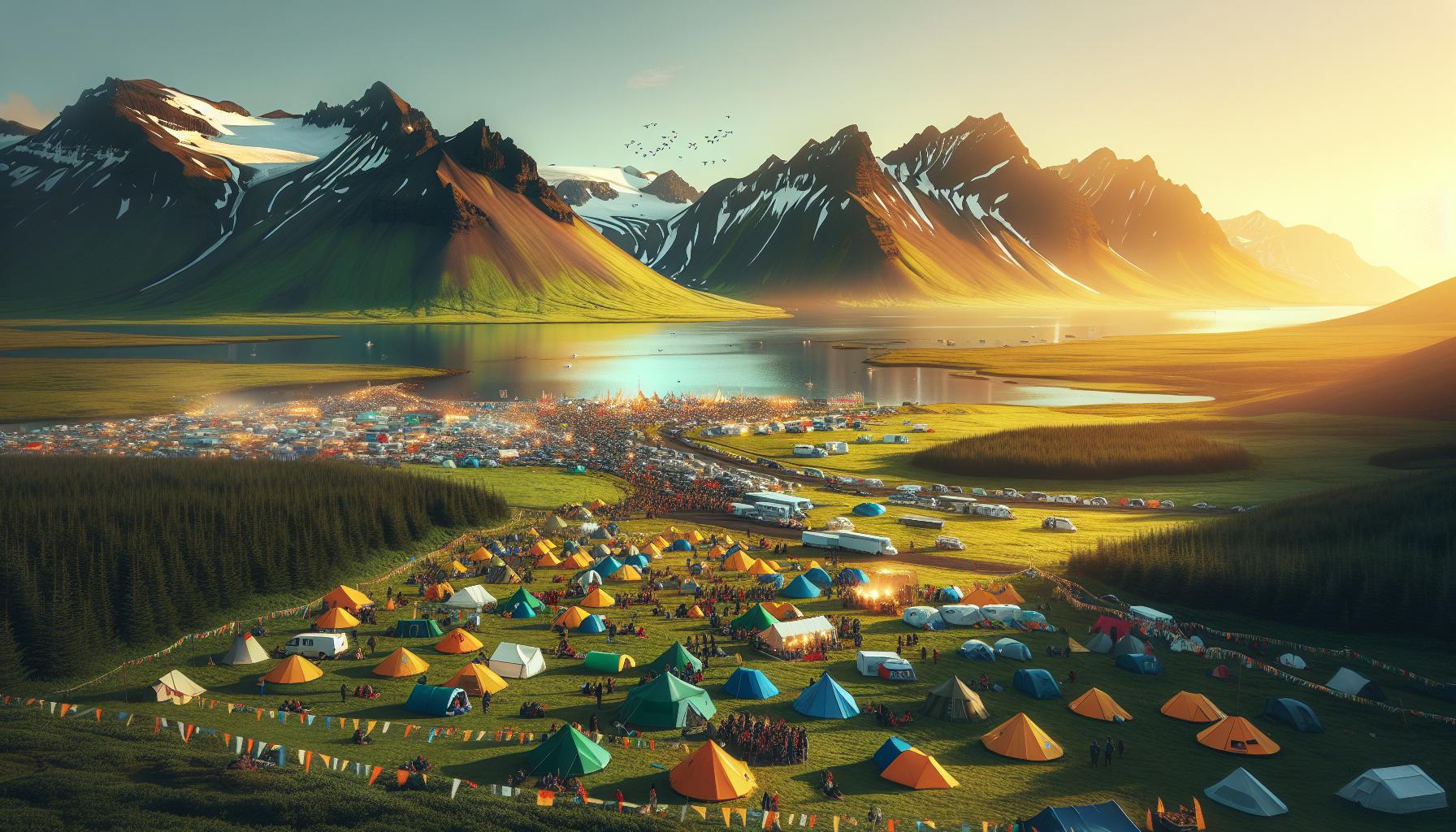
Iceland is a camper’s paradise, renowned for its stunning, dramatic landscapes that range from glacial fjords to volcanic terrains. The freedom to explore this rugged beauty comes with certain guidelines, especially concerning where to pitch your tent. It’s essential to understand the rules governing camping, particularly wild camping, which can be a rewarding way to experience Iceland’s unspoiled nature.
Despite its allure, wild camping in Iceland is subject to specific regulations to preserve the environment. While many travelers dream of setting up camp anywhere under the stars, the reality requires a bit more planning. Only designated areas allow for camping, such as established campsites, which offer amenities that can enhance your experience. Be sure to look for campsites that are open year-round if you plan on visiting outside the summer season; many campsites close between August and September but over 40 remain operational throughout the year [[2]].
When choosing a campsite, consider the following factors to enhance your outdoor experience and ensure compliance with the local rules:
Key Considerations for Selecting a Campsite
- Environmental Protection: Always look for developed campgrounds or designated wild camping sites to minimize ecological impact.
- Accessibility: Ensure the campsite is easily reachable by vehicle, especially if traveling with multiple passengers or equipment.
- Facilities: Some campsites provide amenities like bathrooms, showers, and cooking facilities, which can be a great relief after a day of adventures.
- Location: Sites offering scenic views (such as lakes or glaciers) add a spectacular backdrop to your camping experience.
For those interested in official campsites, Iceland has around 170 registered options, each varying in facilities and scenery [[1]]. Be mindful of overcrowded sites during peak tourist seasons. It’s advisable to book in advance if you plan on visiting popular areas, particularly the Golden Circle or Skaftafell National Park.
Ultimately, understanding the nuances of the Icelandic camping rules is essential for an enjoyable and responsible adventure. The right choice of where to camp can significantly affect your experience, allowing you to immerse yourself in the natural beauty of this remarkable country while adhering to sustainable practices.
Respecting Nature: Leave No Trace Principles for Campers

Camping in Iceland offers breathtaking vistas and a unique opportunity to immerse oneself in nature. However, with such beauty comes the responsibility to preserve these landscapes for future generations. Embracing the Leave No Trace principles is crucial for maintaining the pristine condition of Iceland’s wilderness while enjoying the freedom of wild camping. These principles not only enhance the camping experience but also safeguard the environment, ensuring that everyone can appreciate Iceland’s natural allure.
Understand the Seven Leave No Trace Principles
The Leave No Trace (LNT) principles are designed to guide campers in minimizing their environmental impact. Here’s a brief overview of these principles:
- Plan Ahead and Prepare: Research camping locations and local regulations to understand where you can camp legally and responsibly.
- Travel and Camp on Durable Surfaces: Stick to established trails and campsites to protect fragile ecosystems. In Iceland, look for gravel areas or existing campgrounds.
- Dispose of Waste Properly: Always pack out what you pack in. Use designated toilets when available; if not, bury human waste at least 60 meters away from water sources.
- Leave What You Find: Preserve the natural and cultural features by not collecting rocks, plants, or artifacts.
- Minimize Campfire Impact: Use a stove for cooking instead of building a fire, as wildfires can cause significant damage to Iceland’s delicate landscapes.
- Respect Wildlife: Observe animals from a distance and avoid feeding them, as this can disrupt their natural behaviors.
- Be Considerate of Other Visitors: Keep noise to a minimum and maintain a respectful distance from other campers to enhance everyone’s experience.
Practical Actions for Campers
When exploring the untamed beauty of Iceland, implement these actionable tips to adhere to the Leave No Trace principles:
- Choose the Right Gear: Opt for lightweight equipment that minimizes your footprint, such as portable camping stoves and biodegradable soaps.
- Set Up Camp Thoughtfully: Select a site that’s already been used if possible, ensuring it’s situated away from natural water sources to prevent pollution.
- Use Leave No Trace Resources: Familiarize yourself with local guidelines provided by Icelandic environmental organizations, which often include tips specific to Icelandic ecosystems.
By championing these principles outlined in the guide on wild camping rules in Iceland, you not only enrich your own camping experience but also contribute to the conservation of these magnificent landscapes. Respecting nature through these actions is essential for ensuring that camping remains a sustainable option for future adventurers.
Local Insights: Stories from Icelandic Campers

In the rugged landscapes of Iceland, camping becomes more than just a way to explore; it transforms into a profound connection with nature. Many Icelandic campers have found their own unique experiences, often sharing insights that highlight the stunning beauty, challenges, and distinctive regulations regarding wild camping. Contrary to popular belief, the comprehensive rules about where to camp can impact how you interact with the environment.
Personal Encounters and Regulations
Icelandic campers often recount stories that reveal both the majesty and the responsibility of spending the night under the stars. One camper shared, “Setting up my tent near the Sólheimasandur plane wreck was magical, but I made sure to camp in the designated area to protect the fragile landscape.” This illustrates the essence of the wild camping rules in Iceland, which allow for a deeper appreciation of nature while demanding respect for its preservation. The emphasis on designated camping areas, particularly in vulnerable zones, underscores a balance between adventure and responsibility.
Community and Support Among Campers
The camaraderie among hikers and campers is palpable, as many share tips and stories. One anecdote involved a group who accidentally stumbled upon an unmarked campsite while hiking in the Westfjords. They utilized local community maps and an online forum to identify the safest places to set up camp without disturbing the local wildlife. Through platforms that emphasize ethics and respect for nature, such stories serve as a reminder that while the allure of Iceland invites adventure, it also requires knowledge of camping regulations and respect for the land.
Essential Advice for New Campers
For those eager to embrace this adventurous lifestyle, here are a few practical tips derived from local insights:
- Always check for updated camping regulations before heading out, as rules can evolve based on environmental concerns.
- Connect with local campground websites or forums to find unofficial camping spots that meet safety and environmental standards.
- Be mindful of your impact; always leave no trace to preserve the pristine nature for future explorers.
- Consider the season; some areas come with seasonal restrictions that are crucial for wildlife and vegetation.
Incorporating these practices into your camping journey can significantly enhance your experience, ensuring that Iceland’s breathtaking landscapes remain protected and accessible for future generations.
The Best Seasons for Wild Camping Adventures in Iceland
Iceland’s breathtaking landscapes and untouched wilderness make it an adventurer’s paradise, especially for wild camping enthusiasts. Many outdoor lovers dream of pitching a tent beneath the dancing northern lights or by the shores of pristine glacial lakes. Understanding the best seasons for a wild camping adventure can significantly enhance your experience in this stunning Nordic island. Various factors like climate, accessibility, and daylight hours influence the ideal time to camp, and knowing them can make all the difference.
Summer: The Peak Season for Wild Camping
The summer months—from June to August—are undoubtedly the most popular time for wild camping in Iceland. During this period, the weather is generally mild, with average temperatures ranging from 10°C to 15°C (50°F to 59°F), making camping comfortable. Longer daylight hours, with nearly 24 hours of daylight during the summer solstice, allow for extended exploration and adventure.
However, it’s crucial to adhere to the wild camping rules during this peak season. While many remote areas see fewer restrictions, biodiversity and local regulations still protect certain sites from excessive camping impact. Here are some top destinations ideal for a summer wild camping experience:
- Þingvellir National Park: Rich in history and geological wonders, it’s a breathtaking spot to set up camp.
- The Vatnajökull National Park: Home to Europe’s largest glacier, the park offers stunning views and diverse activities.
- Skaftafell: A hiker’s haven, filled with trails leading to waterfalls and glaciers.
Autumn: A Time for Tranquility and Color
As summer wanes, autumn (September to October) unfolds like a beautiful painting, showcasing vibrant colors in Iceland’s natural scenery. With the crowds thinning out, this season presents a more tranquil camping experience. Average temperatures begin to drop, ranging between 5°C to 10°C (41°F to 50°F), so adequate preparation and layering are essential for comfort during chilly nights.
Autumn camping also opens up the possibility of witnessing the magnificent northern lights, adding a magical feel to your wild camping adventure. Some excellent spots for autumn camping include:
- Landmannalaugar: Known for its colorful rhyolite mountains, it’s a perfect base for hiking.
- The East Fjords: Offers stunning coastal landscapes and fewer tourists.
- Gullfoss and Geysir: Ideal for those who want to experience geothermal wonders.
Winter: A Wilderness Wonderland
While winter camping (November to March) may seem daunting, those who dare to brave the cold are rewarded with a mesmerizing white wonderland and the chance to see the northern lights in all their glory. Temperatures can drop significantly, often reaching below freezing, which demands substantial preparation, including investing in high-quality winter gear and tents.
Winter camping typically has strict wild camping rules as areas become more sensitive to environmental disturbance. Campsites like Þingvellir or the Snæfellsnes Peninsula can provide safer options for camping, and their grandeur in winter is worth the chill. When considering a winter outing, be sure to carry safety gear and check the weather forecasts regularly.
Spring: Renewal and Adventure Awaits
As the frost begins to thaw and flowers start to bloom, spring (April to June) welcomes campers back to the wild with a colorful flourish. Temperatures gradually rise, making it a favorable time for outdoor activities, with averages between 0°C to 10°C (32°F to 50°F). Spring also offers a unique chance to witness migrating birds and other wildlife awakening from winter slumber.
Embarking on a spring camping adventure means you can enjoy the beauty of Iceland as it transforms into a lush green paradise. Popular spring-time locations include:
- Reykjavik’s Surrounding Areas: Easy access to hiking trails and hot springs.
- Jökulsárlón Glacier Lagoon: Stunning landscapes with icebergs floating in serene waters.
- Kerið Crater: Breathtaking volcanic landscapes come to life with color.
Understanding the seasonal dynamics of wild camping in Iceland is crucial for maximizing your adventure while complying with the local wild camping regulations. Each season offers a unique perspective on Iceland’s natural beauty, ensuring that every camping trip can become a cherished memory.
Essential Gear for Camping Under the Northern Lights
To catch a stunning glimpse of the ethereal Northern Lights while camping in Iceland, proper preparation is essential. The island’s climate can shift rapidly, and being comfortable is crucial for enjoying this extraordinary natural display. When planning your adventure, especially under the mesmerizing auroras, you need to pack gear that blends functionality, warmth, and safety.
Must-Have Camping Gear
When preparing for a night under the Northern Lights, consider these essential items to enhance both comfort and safety:
- 4-Season Tent: Choose a tent designed to withstand extreme weather conditions. A robust, four-season tent will provide protection against wind, snow, and intense cold, ensuring you stay warm and dry throughout the night.
- Sleeping Bag: Opt for a sleeping bag rated for sub-zero temperatures. Look for one with down insulation or synthetic materials that maintain warmth even when damp. A sleeping pad is equally important, providing insulation from the cold ground.
- Layered Clothing: Dress in layers that allow you to adjust your temperature. Start with moisture-wicking base layers, add thermal mid-layers, and top with a waterproof and windproof outer shell. Don’t forget warm accessories like hats, gloves, and thermal socks.
- Cooking Equipment: A portable stove and cooking gear are essential for preparing warm meals. Lightweight cookware and insulated containers ensure you can enjoy hot food and drinks while out in the elements.
- Headlamp or Flashlight: A reliable light source is crucial for navigating in the dark. Opt for a headlamp for hands-free use, and remember to bring extra batteries or a solar charger.
Safety Gear and Navigation Tools
Planning your camping site requires careful consideration of safety gear and navigation tools. Given the remoteness of potential locations under the Northern Lights, having the right equipment is key.
- First Aid Kit: Always carry a comprehensive first aid kit. Include essentials like antiseptic wipes, bandages, pain relievers, and any personal medication.
- Map and Compass/GPS Device: While digital maps are handy, always have a physical map and compass on hand. In areas with limited service, a GPS device can be invaluable for navigation.
- Emergency Whistle: A whistle can easily signal for help in emergencies and can be a lifeline in the wilderness.
Understanding the Environment
Camping in Iceland requires respecting its unique landscape as outlined in the guidelines of wild camping. Familiarize yourself with local wildlife and environmental regulations to ensure a safe and environmentally-friendly experience. Following the wild camping rules helps preserve Iceland’s pristine nature, allowing you to savor the breathtaking display of the Northern Lights while protecting the fragile ecosystem. Always camp in designated areas and leave no trace—this commitment not only ensures future adventurers can enjoy the same wonder but also contributes to the conservation of this incredible land.
Embracing Icelandic Culture: Camping Etiquette and Local Customs
Iceland is a land of extraordinary natural beauty, where stunning landscapes beckon adventurous souls to explore its unique terrains. However, as you prepare to immerse yourself in the wonders of this Nordic paradise, understanding the nuances of local customs and camping etiquette is essential. Respecting the land and its people not only enriches your experience but also ensures that the pristine environment is preserved for generations to come.
Understanding Local Customs
Icelandic culture is built upon a strong connection to nature, shaped by centuries of living harmoniously with the environment. Visitors are encouraged to be mindful of this relationship. Before embarking on a camping adventure, familiarize yourself with local traditions and practices; this could mean following certain unwritten rules about where to pitch your tent. In general, the principle of “Leave No Trace” holds significant value among Icelanders. This principle emphasizes the importance of reducing your impact on the environment, which includes:
- Camping only in designated areas whenever possible.
- Taking all trash with you, leaving the landscape clean and pristine.
- Using biodegradable soaps and avoiding polluting natural water sources.
Etiquette for Interacting with Locals
The Icelandic people are known for their warmth and hospitality. When camping in more populated areas, or near farms, it is courteous to seek permission before setting up camp. Many locals appreciate a simple greeting or a friendly wave. Engaging with Icelanders can lead to enriching experiences, perhaps even receiving insider tips on the best spots to explore.
A common practice is to partake in community gatherings or local events, which often occur during the summer months. These activities not only allow you to immerse yourself in Icelandic culture but also foster connections with the community. Be respectful of local customs regarding noise and privacy; keeping your volume down, especially in rural areas, demonstrates respect for those who live and work there.
Insights on Camping Practices
Many travelers wonder, “Can you camp anywhere in Iceland?” While the answer may lean toward restrictions, understanding the context is essential. Iceland’s wild camping rules stipulate that camping outside of designated areas has become increasingly regulated over the years due to environmental concerns. Tourists are encouraged to utilize campgrounds that provide facilities and support conservation efforts.
| Aspect | Camping in Designated Areas | Wild Camping Rules |
|---|---|---|
| Permissions | Required, with clear signage | Check local regulations; may require landowner permission |
| Environmental Impact | Minimal, with facilities in place | Potentially high if not followed |
| Facilities | Showers, toilets, and waste disposal | Very limited or none |
By embracing Icelandic camping etiquette and local customs, you contribute to the preservation of the stunning landscapes and the vibrant culture of this remarkable island. Remember that your actions echo through the wilderness, and a little mindfulness goes a long way in ensuring that everyone can enjoy the beauty of Iceland.
Safety Tips for a Memorable Wild Camping Trip in Iceland
Wild camping in Iceland offers an unparalleled opportunity to immerse yourself in its stunning landscapes and unspoiled nature. However, venturing into the wilderness without proper preparation can turn a dreamy getaway into a hazardous experience. Understanding key safety tips is crucial for ensuring both your safety and the preservation of Iceland’s breathtaking environment.
Know Your Camping Regulations
Before you pitch your tent, familiarize yourself with Iceland’s wild camping rules, as legalities can vary by location. Wild camping is allowed on uncultivated land unless explicitly marked otherwise, but some local authorities may impose restrictions. Always check for signage or local park regulations in areas like Thingvellir National Park or along the Snæfellsnes Peninsula. Respecting these guidelines not only enhances your camping experience but also protects the pristine Icelandic landscape.
Prepare for Unpredictable Weather
Iceland’s weather is notoriously unpredictable, with conditions changing rapidly. Here are some essential steps to prepare:
- Dress in Layers: Layering is key; thermal underwear, waterproof outer layers, and insulated jackets are vital. Be ready for rain, wind, and varying temperatures.
- Check Weather Forecasts: Consistently monitor local weather updates through reliable sources like the Icelandic Meteorological Office. Use apps for immediate conditions while camping.
- Secure Your Tent: Strong winds can be common. Make sure your tent is securely staked and consider using additional weights such as boulders or sandbags for stability.
Plan Your Campsite Thoughtfully
When wild camping, choosing the right spot is integral to both safety and enjoyment.
- Distance from Water: Camp at least 30 meters away from rivers and lakes to protect water quality and avoid flash floods.
- Avoid Sensitive Areas: Look for durable surfaces such as gravel or hardened soil to minimize ecological impact, steering clear of moss-covered regions and fragile vegetation.
- Leave No Trace: Follow the Leave No Trace principles: pack out what you pack in, discard waste responsibly, and respect wildlife.
Stay Safe from Natural Hazards
Iceland’s diverse terrain, while beautiful, can present challenges:
- Be Aware of Wildlife: Although encounters are rare, wild animals such as sheep can be present. Keep a safe distance and avoid disturbances.
- Know Your Route: Whether hiking or driving to your campsite, familiarize yourself with the terrain. Use reliable maps or GPS devices to avoid getting lost.
- Emergency Preparedness: Carry a first-aid kit, know the location of the nearest emergency services, and ensure someone knows your itinerary. A charged mobile phone and a power bank are essential for communication.
By adhering to these safety tips while exploring wild camping in Iceland, you can enhance your adventure while preserving the breathtaking nature around you. Understanding the intricacies of “Can You Camp Anywhere in Iceland: Wild Camping Rules” is just the beginning; preparation is the key to a memorable journey in this stunning part of the world.
FAQ
Can You Camp Anywhere in Iceland: Wild Camping Rules?
In general, you cannot camp anywhere in Iceland due to specific wild camping rules. While many areas allow for camping, it’s crucial to follow regulations set by local authorities to protect nature and respect property rights.
Traditionally, wild camping was common, but as tourism has grown, rules have tightened. You’ll usually need to camp in designated areas or obtain permission from landowners. Adhering to these guidelines helps preserve the stunning landscapes for future visitors, making it a win-win situation!
What are the designated camping areas in Iceland?
Designated camping areas in Iceland can be found throughout the country, particularly near popular sites like Thingvellir National Park and the Golden Circle. These sites often provide facilities such as toilets and showers.
Camping in these areas not only ensures compliance with wild camping rules but also enhances your experience by providing opportunities to meet fellow travelers. For a comprehensive list of designated camping spots, check local tourism websites or apps.
Can I camp in the national parks of Iceland?
While you can camp in some national parks in Iceland, it’s essential to follow the specific regulations for each park. Many allow camping only in designated spots to protect the natural habitat.
For example, in Vatnajökull National Park, you’ll need to stick to marked areas. Always pack out what you pack in, as this helps keep these parks pristine and enjoyable for everyone. For more on park regulations, visit their official sites.
Why does Iceland have such strict camping rules?
Iceland enforces strict camping rules primarily to preserve its unique and fragile environment. With an increase in campers, protecting native flora and fauna has become essential.
The country’s landscape is delicate, and human activity can cause significant harm. Following the wild camping rules not only safeguards these natural treasures but also enriches your experience by allowing you to camp in harmony with the environment.
How to find information about camping regulations?
To find accurate and up-to-date information on camping regulations in Iceland, visit the official tourism website or local municipality pages. They provide valuable resources on wild camping rules and designated camping areas.
Additionally, speaking with local campsite staff can also offer insights into the best practices and where to camp responsibly. Always plan ahead to ensure a smooth camping experience!
Can I set up camp near water sources in Iceland?
Setting up camp near water sources in Iceland is generally discouraged and may violate wild camping rules. Maintaining a distance from rivers and lakes helps protect these vital ecosystems.
In fact, camping too close to water can disturb wildlife and contribute to erosion. As a good practice, stick to designated camping sites and follow guidelines provided by Icelandic environmental authorities.
Is it safe to camp in Iceland during winter?
Camping in Iceland during winter can be safe but requires thorough preparation. Make sure to invest in quality gear suited to harsh conditions and check the weather frequently.
Winter camping offers breathtaking views of snow-capped landscapes but poses risks like avalanches and extreme cold. If you’re inexperienced, consider using established campsites that can provide support and shelter during colder months.
In Retrospect
As you lace up your hiking boots and prepare to embark on an unforgettable adventure in Iceland, remember that the land of fire and ice holds a treasure trove of experiences just waiting for you. From the breathtaking vistas of the Snæfellsnes Peninsula to the serene shores of the East Fjords, the spirit of wild camping invites you to connect with nature in an authentic way.
Picture yourself nestled beneath a blanket of shimmering stars, the distant rumble of a waterfall serenading you to sleep. But before you pitch your tent, dive into the local customs and regulations to ensure a respectful and responsible camping experience. Conversations with seasoned locals can reveal hidden gems, such as that secret spot by the bubbling hot springs or the perfect vantage point for catching the Northern Lights.
Keep in mind the heart of Iceland’s hospitality: its awe-inspiring landscapes are prized not just for their beauty but also for the understanding that we must protect them. With a friendly nod and a commitment to leave no trace, you’ll be welcomed into the fold of adventurers exploring this stunning island.
So, whether you’re a spirited solo traveler, a curious family, or an expat dreaming of a new home amongst the geysers and glaciers, let the magic of Iceland encourage you to tread lightly and explore boldly. Grab your map, share your plans, and don’t hesitate to reach out to the local camping community for tips and stories that will enrich your journey. Adventure awaits—go out there and create your own Icelandic tale!