Are you curious about the growth habits of vibrant Iceland Poppies? Understanding whether these hardy perennials spread can significantly impact your gardening strategy, especially for those looking to create a colorful, low-maintenance landscape. In this guide, we’ll uncover the spread potential of these stunning blooms and explore tips for cultivating them effectively in your garden.
Understanding Iceland Poppies: A Colorful Introduction to a Unique Flower
Iceland poppies are a stunning addition to any garden, known for their delicate, silky petals that bring an uplifting burst of color in late spring to early summer. These versatile flowers thrive in a range of environments, from cooler subarctic regions to more temperate zones, making them a popular choice among gardeners looking to add charm and vibrancy to their landscapes. With hues ranging from bright yellows and oranges to soft pinks and whites, their visual appeal is undeniable, often attracting butterflies and pollinators that enhance the garden’s biodiversity.
Characteristics and Care of Iceland Poppies
The Iceland poppy, scientifically referred to as *Papaver nudicaule*, features feathery green leaves that emerge from leafless stems topped with blooms that have paper-thin petals. While they are categorized as hardy perennials, many gardeners treat them as biennials or annuals, especially in warmer climates where their life cycle may be altered. To ensure a thriving display, it’s important to plant them in well-drained soil with plenty of sunlight. These flowers prefer cool conditions and can struggle in excessive heat, so choosing the right planting time and location is crucial for optimal growth.
To promote healthy growth and flowering, consider these practical care tips:
- Soil Preparation: Use well-draining soil enriched with organic matter to support their growth.
- Watering: While Iceland poppies require moderate watering, make sure to avoid overwatering, as they dislike soggy roots.
- Light Requirements: Aim for full sun to partial shade, ensuring they receive at least 6 hours of sunlight daily.
- Pruning: Deadheading spent flowers can encourage new blooms and prolong their flowering period.
Do Iceland Poppies Spread?
When considering the expansion of your garden with these eye-catching blooms, one may wonder about their spreading tendencies. Iceland poppies have a relatively modest spreading habit. They can self-seed under the right conditions, typically resulting in new plants appearing in subsequent seasons, but they are not invasive. For gardeners interested in maintaining control over their spread, routinely checking and managing seed dispersal is advisable.
If you’re looking to cultivate Iceland poppies, understanding their spreading potential will aid in planning your garden layout effectively. As these flowers tend to bloom for a short period, pairing them with longer-lasting perennials or annuals can create a continuous display of color throughout the growing season. A thoughtful arrangement can also create visual layers, enhancing the overall aesthetic of your outdoor space.
How Do Iceland Poppies Spread? Nature’s Design in Action
Iceland poppies, known for their stunning display of vibrant colors and delicate petals, possess a fascinating strategy for spreading and thriving in various environments. These captivating flowers not only charm with their beauty but also utilize unique reproductive methods to ensure their continued presence. Understanding how Iceland poppies spread can help you cultivate these flowers effectively and appreciate the natural processes at work.
One of the primary ways Iceland poppies propagate is through seed dispersal. Once the flowers bloom and pollination occurs, they develop seed pods that eventually dry and split open, releasing tiny seeds into the surrounding soil. This natural mechanism allows the seeds to be scattered over a wide area, giving rise to new plants in favorable conditions. The seeds can lie dormant for some time, waiting for the right environment—typically moist soil and cool temperatures—before germinating. Home gardeners can take advantage of this by leaving seed pods on the plants until they burst or by gently harvesting them and sowing them in preferred locations.
Another survival strategy of Iceland poppies is their ability to self-seed. This means that when planted in optimal conditions, they can regenerate without the need for direct human intervention. Increased self-seeding can create beautiful colonies of poppies that appear spontaneously in garden beds, meadows, or even rocky outcrops. To encourage this self-sown beauty, consider planting seeds in well-drained soil with good sunlight to mimic their native growing conditions.
For those looking to enhance the spread of Iceland poppies in their gardens, careful management can optimize growth. Factors such as light exposure, water, and soil drainage play vital roles. Here are some actionable tips:
- Plant in clusters: Grouping Iceland poppy seeds together can create a more vibrant display and increase pollination chances.
- Control water levels: Ensure soil is well-draining yet retains some moisture to promote healthy seed germination.
- Consider timing: Sow seeds in late summer to early fall for blooms in the following spring.
By appreciating the natural mechanisms through which Iceland poppies spread and employing specific gardening techniques, growing these delightful flowers can become an enriching and visually stunning experience in your garden. With their ability to multiply and grace various landscapes, Iceland poppies exemplify nature’s design in action, making them a beloved choice for many horticulturists and flower enthusiasts.
Best Practices for Planting Iceland Poppies in Your Garden
When planning your garden, few flowers can rival the enchanting beauty of Iceland poppies. These delicate blooms, known for their vibrant colors and paper-like petals, evoke a sense of whimsy and charm that can brighten any landscape. If you’re considering adding them to your garden, understanding the best practices for planting Iceland poppies will not only enhance their growth but also maximize their captivating display.
Choosing the Right Location
To ensure successful growth, start by selecting an optimal location for your Iceland poppies. These flowers thrive in full sun, so seek out a spot that receives at least six hours of sunlight each day. Additionally, Iceland poppies prefer well-drained soil, which prevents root rot and supports healthy growth. If your garden has heavy clay soil, consider amending it with compost or creating raised beds to improve drainage.
Soil Preparation
Preparation is key to planting Iceland poppies successfully. Here are some actionable steps to follow:
- Testing Soil pH: Ideally, the soil should have a pH ranging from 6.0 to 7.5. Use a pH testing kit to assess your soil and make amendments as necessary.
- Enriching the Soil: Incorporate organic matter such as compost or well-rotted manure to enhance nutrient content and improve soil texture.
- Till the Soil: Loosen the soil to a depth of about 12 inches, ensuring it is aerated and ready for planting.
Planting Techniques
Timing is crucial in ensuring that your Iceland poppies flourish. It’s best to sow seeds in early spring or late fall, as these flowers enjoy cooler temperatures. Follow these guidelines for planting:
| Step | Description |
|---|---|
| 1. | Sowing Seeds: Scatter seeds directly on the soil surface and gently press them in, or plant them about 1/4 inch deep. This ensures good contact with the soil. |
| 2. | Watering: After sowing, lightly mist the area to keep the soil consistently moist, but not soggy. A light touch is essential to avoid dislodging the seeds. |
| 3. | Thinning Seedlings: Once seedlings emerge and develop a few sets of true leaves, thin them out to allow for healthy growth. Aim for a spacing of about 6-12 inches between plants. |
With the right approach, planting Iceland poppies can transform your garden into a breathtaking visual feast. By ensuring adequate sunlight, preparing nutrient-rich soil, and timing your planting perfectly, your Iceland poppies will not only survive but thrive, offering a stunning show of colors that will draw the admiration of everyone who sees them.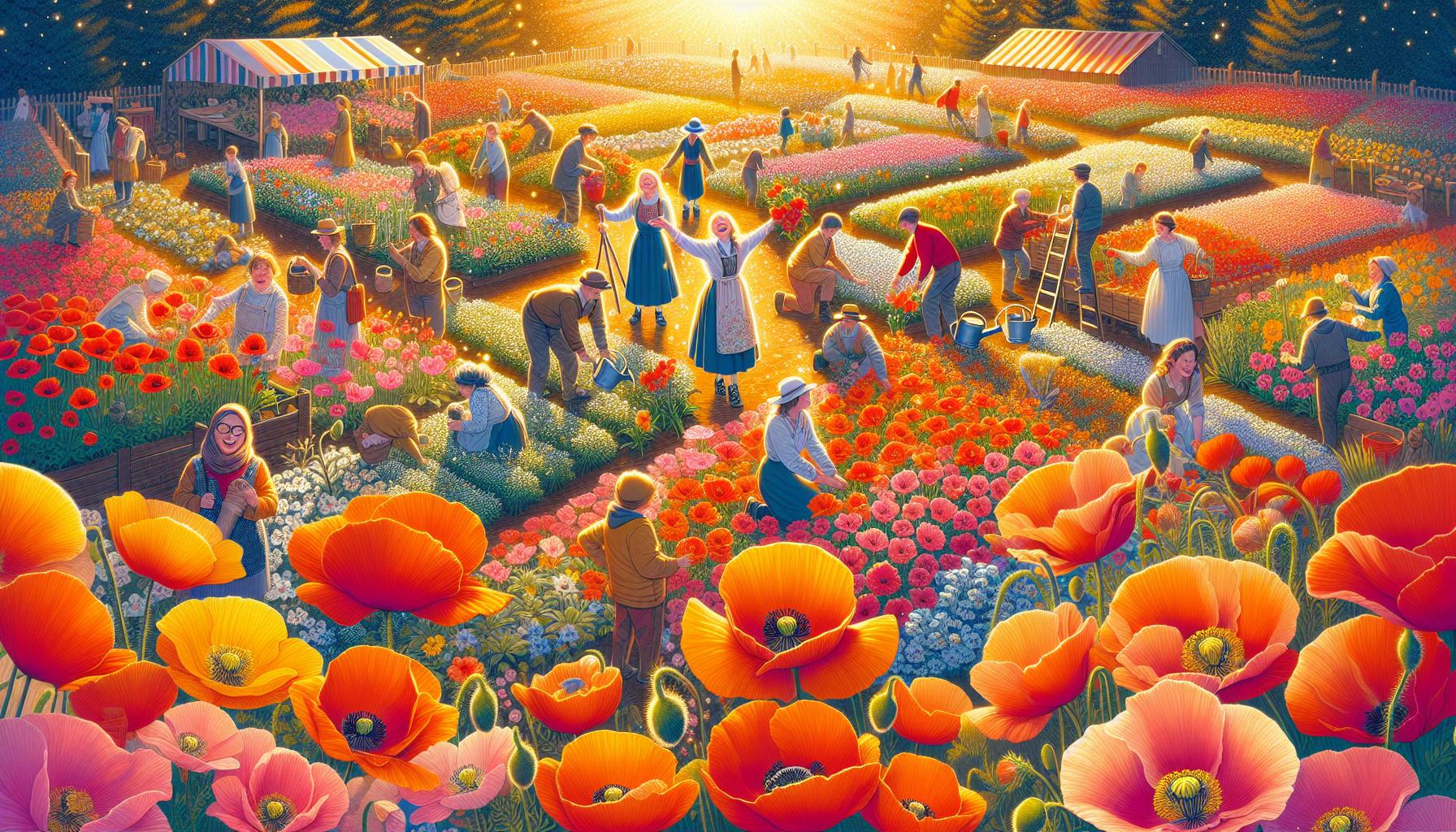
Creating a Wildflower Haven: Pairing Iceland Poppies with Other Species
When creating a stunning wildflower haven, it’s essential to understand not only the beauty of individual species like Iceland poppies but also how they interact with companion plants. Iceland poppies are known for their vibrant, tissue-like flowers that bloom in sunny shades of yellow, orange, and creamy white. However, surrounding them with the right mix of species can enhance their charm while ensuring a harmonious and thriving garden ecosystem.
Choosing the Right Companions
To maximize the visual impact and health of your garden featuring Iceland poppies, consider pairing them with plants that accommodate their growth requirements and aesthetic appeal. Here are some excellent companion plants:
- California Poppies: Their warm golden tones complement the Icelandic varieties beautifully and thrive in similar conditions.
- Blue Cornflowers: The vibrant blue flowers provide a stunning contrast against the delicate poppy blooms, creating a striking visual tapestry.
- Yarrow: Not only does yarrow attract beneficial insects but its flat-topped flowers add a different texture to your garden.
- Snapdragons: Taller and colorful, snapdragons can create layers of interest, thriving alongside the shorter Iceland poppies.
Combining these species creates a multi-dimensional visual feast while ensuring that the poppies are supported by plants that share similar sun and soil preferences. This synergy enhances not only aesthetics but also improves the overall health of your wildflower landscape.
Layering for Success
To achieve a well-layered approach in your garden, think about the heights and growth patterns of your selected companions. Layering plants can gradually draw the eye upwards, creating depth. Consider using a table to represent the different heights and growing habits of selected plants in relation to Iceland poppies:
| Plant Species | Height | Bloom Time |
|---|---|---|
| Iceland Poppy | 12-18 inches | Spring to early summer |
| California Poppy | 10-12 inches | Spring to summer |
| Blue Cornflower | 24-36 inches | Late spring to summer |
| Yarrow | 24-36 inches | Summer to fall |
| Snapdragon | 12-36 inches | Spring to fall |
By understanding these dynamics, you can plant Iceland poppies as a foreground feature that captures attention, while the taller companions frame the space attractively. Additionally, staggered blooming periods among these plants can ensure that your garden retains color and interest from spring through fall, enhanced by the conversation surrounding the key question: do Iceland poppies spread? With careful planning, you can easily cultivate a wildflower haven that is both beautiful and biologically enriching.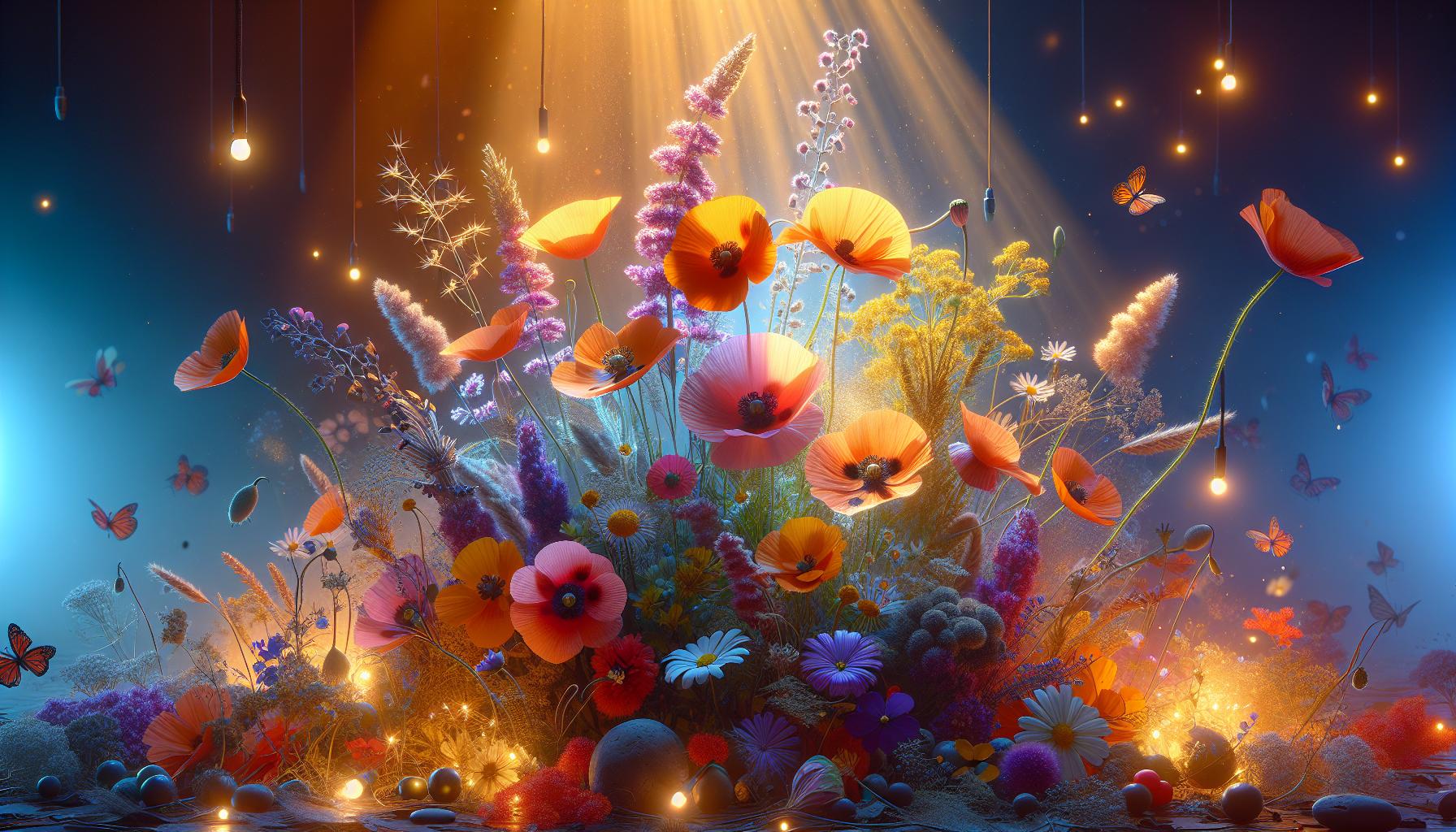
Caring for Iceland Poppies: From Soil to Sunlight
To create a thriving environment for Iceland poppies, understanding their specific needs from soil composition to lighting conditions is essential. Known for their vibrant hues and delicate papery petals, these perennial beauties can transform any garden into a canvas of color when properly cared for. Incorporating the right soil amendments and ensuring adequate sunlight can significantly enhance their growth and blooming potential.
Soil Requirements
Iceland poppies thrive best in well-draining soil that is rich in organic matter. Here’s how to prepare your soil effectively:
- Soil Type: Loamy or sandy soil is ideal. Heavy clay can retain too much water, leading to root rot.
- pH Level: Aim for a slightly acidic to neutral pH (6.0 to 7.0). You can test your soil using a home testing kit.
- Amendments: Incorporate compost or well-rotted manure to improve soil fertility. This also enhances drainage and aeration.
For those considering starting from seed, sow them in late autumn or early spring. The seeds benefit from cold stratification, which mimics their natural habitat conditions. Ensure the topsoil remains moist but not waterlogged, and within a few weeks, you’ll witness the emergence of fresh shoots.
Sunlight Exposure
Another crucial factor in cultivating Iceland poppies is their sunlight requirement. These flowers crave light, growing best in full sun, which is defined as receiving at least six hours of direct sunlight daily. Here’s how to position them for optimum growth:
- Location: Choose a spot in your garden that receives ample sunlight, especially in the morning. This helps dry any dew, reducing the risk of fungal diseases.
- Temperature Preference: Iceland poppies prefer cooler temperatures, making them perfect for spring and fall planting. Avoid scorching summer heat, which can hinder flowering.
- Protection from Wind: While these poppies relish sunlight, they should also be shielded from strong winds, which can damage their fragile stems and blooms.
By following these guidelines and understanding the items in the ‘Do Iceland Poppies Spread: Gardening and Wildflower Guide’, you are setting the stage for a flourishing poppy display that will not only brighten your landscape but also become a beloved habitat for pollinators like bees and butterflies.
Seasonal Changes: What to Expect from Your Iceland Poppy Garden
As the seasons change, your Iceland poppy garden transforms into a dynamic canvas of color and life. Known for their delicate, tissue-like petals and vibrant hues, Iceland poppies (Papaver nudicaule) provide not just beauty but also an exciting opportunity to observe seasonal rhythms in the garden. Understanding how these flowers behave throughout the year allows you to maximize their blooming potential and care practices, ensuring a flourishing display from spring through fall.
Spring: Awakening of Color
In early spring, you can expect the first signs of life in your garden. As temperatures gradually warm, the dormant seeds begin to germinate, often pushing through the soil when conditions are just right. Iceland poppies thrive in cool temperatures, typically flowering best when daytime highs are between 60°F to 70°F (15°C to 21°C). To aid their blossoming, consider the following practices:
- Soil Preparation: Ensure your soil is well-drained and enriched with compost or well-rotted manure to provide essential nutrients.
- Watering Schedule: Keep the soil consistently moist but not soggy during germination to encourage healthy growth.
- Sun Exposure: Choose a location that receives full sun (at least 6 hours a day) to promote robust blooming.
Summer: Flourishing Blooms and Self-Seeding
Once summer arrives, your garden will burst into vibrant colors as Iceland poppies reach their peak blooming period. The flowers tend to open in the sun and close in cooler temperatures or at night, creating a stunning visual display. Here, you may notice some interesting behaviors:
- Self-Seeding: Iceland poppies, part of the poppy family, may self-seed, introducing new plants for the next season. This means you could enjoy unexpected bursts of color in your garden following the initial blooms.
- Maintenance Tips: Deadheading spent blooms can encourage longer flowering time and help maintain the garden’s aesthetics.
- Watering Needs: As hot weather sets in, adjust your watering frequency. While these flowers are drought-tolerant, they still benefit from consistent moisture during the summer heat.
Fall: The Cycle Continues
As autumn approaches, your Iceland poppy garden begins to wind down. The flowers may start to fade, but the changing landscape can be equally captivating. Here’s what to expect and how to prepare for winter:
| Autumn Tasks | Details |
|---|---|
| Seed Collection: | Gather seeds from dried seed pods to plant in the next growing season or share with fellow gardeners. |
| Soil Care: | Add a layer of mulch to protect the soil and help retain moisture during the winter months. |
| Final Cleanup: | Remove spent foliage and any weeds to prepare your garden for dormancy. |
Through these seasonal changes, your Iceland poppy garden offers a captivating journey of growth, beauty, and renewal, demonstrating how nature evolves throughout the year. By understanding what to expect in each season, you can effectively manage their care, appreciate their life cycle, and enjoy a stunning floral display that will leave your guests in awe.
Harvesting and Propagating Iceland Poppies: A Gardener’s Guide
Harvesting Iceland poppies is a delightful task that allows gardeners to enjoy their stunning blooms indoors. These perennial marvels not only add vibrant color to gardens but also make excellent cut flowers. To ensure you get the best from your Iceland poppies, begin by cutting the stems in the morning when the flowers are fully open but still fresh. This timing helps to preserve their delicate beauty for vase arrangements. Use sharp scissors or pruning shears to snip the stems at an angle—this increases water uptake, keeping your cut flowers looking fresh longer.
For those interested in propagating Iceland poppies, there are a couple of effective methods to consider, including seed collection and division. Once the blooms fade, allow the seed pods to dry on the plant. When they turn brown and brittle, carefully harvest them, and store the seeds in a cool, dry place until you’re ready to plant in the next season. This natural method of propagation is not only cost-effective but also allows you to maintain the genetic lineage of your favorite varieties.
Propagation Techniques
- Seed Collection: Wait until the seed pods are completely dry. Gently crush the pods to release the seeds, and store them in labeled envelopes for future planting.
- Self-Seeding: If left unattended, Iceland poppies can self-seed, which is a fantastic way to cultivate new plants without much effort. Monitor areas where poppies bloom and allow some plants to go to seed.
- Division: This is more applicable to established plants. In early spring or fall, lift the crown of the plant and carefully divide it into sections, each with roots attached. Replant immediately to minimize transplant shock.
Self-seeding can be particularly remarkable as it encourages a natural spread of the poppies and can lead to a beautiful, organically managed garden space. However, keep in mind that Iceland poppies thrive in well-draining soil and prefer plenty of sunlight; therefore, ensure these conditions are met for successful propagation.
In conclusion, understanding how to effectively harvest and propagate Iceland poppies expands the capabilities of any avid gardener eager to enhance their flower beds or cut flower arrangements. With the right techniques outlined in ‘Do Iceland Poppies Spread: Gardening and Wildflower Guide,’ you can enjoy the beautiful layers of color they bring to your garden year after year.
The Cultural Significance of Iceland Poppies in Local Landscapes
The vibrant blooms of Iceland poppies not only captivate gardeners but also hold a special place in local landscapes, weaving a rich tapestry of cultural significance. These hardy perennials, with their delicate petals and ability to thrive in harsh environments, symbolize resilience and beauty in the face of adversity. They have become a staple in many gardens, where their cheerful colors herald the arrival of spring and embody the spirit of renewal.
Adapting to Local Environments
In various regions, Iceland poppies are often embraced for their adaptability to local climates. Their hardy nature makes them suitable for both formal gardens and wildflower meadows, allowing communities to incorporate these flowers into diverse landscapes. Whether in organized garden beds or as part of naturalistic plantings, the blooms signify a shared appreciation for flora that can withstand extremes.
Symbolism in Local Culture
The Iceland poppy has also found its way into cultural expressions and local traditions. In many communities, these flowers are used in festivals or ceremonies to represent hope and regeneration. For example, local gardening clubs often host competitions showcasing the best Iceland poppies, which fosters community spirit and encourages sustainable gardening practices. Their presence in local lore and art further illustrates how these flowers resonate deeply within various cultural contexts.
Practical Gardening Tips
For those looking to integrate Iceland poppies into their own landscapes, understanding their ecological role is crucial. Here are some practical tips to consider:
- Soil Preparation: Iceland poppies thrive in well-drained soil. Enhance your soil with compost to provide necessary nutrients.
- Sunlight Requirements: Ensure they receive full sun for optimal blooming.
- Spacing: Plant seeds or seedlings with adequate spacing to allow for their natural spread and self-seeding capabilities.
Embracing the Iceland poppy in local landscapes not only beautifies the environment but also connects communities through shared gardening efforts and cultural pride. As discussed in the ‘Do Iceland Poppies Spread: Gardening and Wildflower Guide,’ understanding their growth patterns can help gardeners cultivate a flourishing display that celebrates both nature and locality.
Troubleshooting Common Issues with Iceland Poppies: Tips for Success
Iceland poppies, known for their stunning blooms and resilience in colder climates, can occasionally present a few challenges to gardeners. Understanding and addressing common problems will ensure that these vibrant flowers thrive in your garden, making it a breathtaking display each spring. When you know what to look for and how to react, you can maintain the health and beauty of your Iceland poppies throughout their growing season.
Watering Issues
One of the most frequent problems with Iceland poppies is improper watering. Given their preference for well-draining soil, overwatering can lead to root rot, while underwatering can stunt growth. Here are some tips to manage watering effectively:
- Check Soil Moisture: Use your finger to test the top inch of the soil; it should feel dry before you water again.
- Water Sparingly: Water the plants deeply but infrequently, allowing the soil to dry out between watering sessions.
- Drainage: Ensure that the planting area has good drainage. Consider raising the flower bed or using sandy soil to promote drainage.
Pests and Diseases
While Iceland poppies are relatively hardy, pests and diseases can pose a threat. Be vigilant for the presence of aphids or powdery mildew. Early detection is key. Here are some strategies to mitigate these issues:
- Pest Control: Use insecticidal soap or neem oil to treat aphid infestations. Regularly inspect the undersides of leaves, as this is where pests often hide.
- Prevent Mildew: Increase air circulation around plants by spacing them adequately and maintaining mulch to prevent moisture accumulation.
- Healthy Soil: Use compost or organic fertilizers to enhance soil health, helping plants resist disease.
| Common Issue | Symptoms | Recommended Action |
|---|---|---|
| Overwatering | Yellowing leaves, wilting | Reduce watering frequency; ensure drainage |
| Aphids | Distorted leaves, sticky residue | Apply insecticidal soap |
| Powdery Mildew | White, powdery spots on leaves | Improve air circulation; apply fungicide |
Recognizing and resolving issues with Iceland poppies not only enhances their lifespan but also contributes to a vibrant garden environment. By following these troubleshooting tips, you can enjoy a flourishing display of Icelandic poppies that adds charm and color to your landscape.
Frequently Asked Questions
Do Iceland Poppies spread easily in the garden?
Yes, Iceland Poppies can spread easily in the garden. They often reseed themselves, leading to new plants in subsequent seasons, which can enhance your garden’s beauty and variety.
These vibrant flowers, known for their striking colors and delicate petals, thrive in full sunlight and well-drained soil. As they self-sow, you might find delightful surprises popping up each spring. However, be prepared to manage their spread if you prefer to keep certain areas of your garden tidy. For more detailed planting advice, check out our gardening tips.
What is the best way to cultivate Iceland Poppies?
The ideal way to cultivate Iceland Poppies is by sowing seeds directly in well-drained soil during early spring or fall. This allows them to establish roots before the growing season kicks in.
Incorporating organic matter into the soil can enhance growth, and ensuring the area has adequate sunlight will promote vibrant blooms. Remember that Iceland Poppies prefer cooler temperatures, making them perfect for early spring gardens. Once established, they can thrive with minimal care, adding beauty to your landscape.
Why do Iceland Poppies have a short lifespan?
Iceland Poppies typically have a short lifespan because they are biennial or short-lived perennials. They die after blooming, but they leave behind seeds, allowing them to regenerate in future seasons.
This life cycle can be beneficial as the new plants contribute to the garden’s vitality. To enjoy a continuous display of these gorgeous flowers, consider planting new seeds every year. This practice ensures you always have fresh blooms throughout the spring and summer months.
Can I plant Iceland Poppies in pots?
Yes, you can plant Iceland Poppies in pots! They can make stunning container plants that brighten up patios or garden spaces.
Choose a pot with good drainage and fill it with well-draining potting mix. Place the pot in a spot that receives plenty of sunlight. Regular watering is essential, especially during dry spells, but take care not to overwater. Potted Iceland Poppies can serve as a charming addition to your home decor and garden alike.
How can I prevent Iceland Poppies from spreading too much?
To prevent Iceland Poppies from spreading too much, you can deadhead the flowers after they bloom to discourage reseeding.
Regular monitoring of your garden will help you catch and manage any unwanted seedlings early. If you wish to control their growth but still enjoy their beauty, consider planting them in confined spaces or using barriers to limit their spread.
What climate is best for Iceland Poppies?
Iceland Poppies thrive best in cooler climates, preferring temperatures between 60°F and 70°F. They do well in environments similar to their native habitats, such as those with cold winters and mild summers.
This makes them ideal for regions with temperate weather, where they can flourish in early spring. However, they can struggle in extremely hot or humid conditions, so it’s essential to provide some shade during the peak heat of summer if needed.
In Conclusion
As we wrap up our exploration of Iceland poppies and their enchanting journey through gardens and wildflower fields, it’s clear that these vibrant blooms offer so much more than just stunning visuals. Their unique ability to spread—gentle yet determined—mirrors the very spirit of Iceland itself: resilient, awe-inspiring, and rooted in nature.
Imagine wandering through a meadow alive with the fiery yellows and oranges of Iceland poppies, their delicate petals dancing in the breeze, whispering tales of springtime joy. Each flower you plant is not merely a decoration but a gateway into a world of color and life, inviting bees, butterflies, and that magical sense of calm that can only be found in nature.
So, whether you’re an apartment dweller in Reykjavik hoping to cultivate a little piece of this magic on your balcony or a family exploring the wildflower trails of the Icelandic landscapes, remember that these flowers symbolize the beauty of connection—between plants, wildlife, and us.
As you dream about your gardening adventures or future journeys through wildflower-speckled hillsides, we encourage you to dive deeper into the ways these stunning blooms can enhance your life. Share your own experiences, connect with fellow garden enthusiasts, or perhaps even take a chance to visit Iceland and witness the beauty first-hand! The adventure awaits just outside your door—so get planning, stay curious, and keep blooming, both in your garden and in your heart!